

FALLEN TREES
Fallen Tree Removal
Removal of trees that have come down across homes, yards, driveways, roads, fences, or other parts of the property.
A fir across the driveway after a windstorm. A hemlock leaning toward the garage. A broken limb hung up over the carport. We respond to fallen trees, storm damage, blocked access, and other urgent tree problems with a plan to make the property safer first and handle the rest from there.
Request a Free Estimate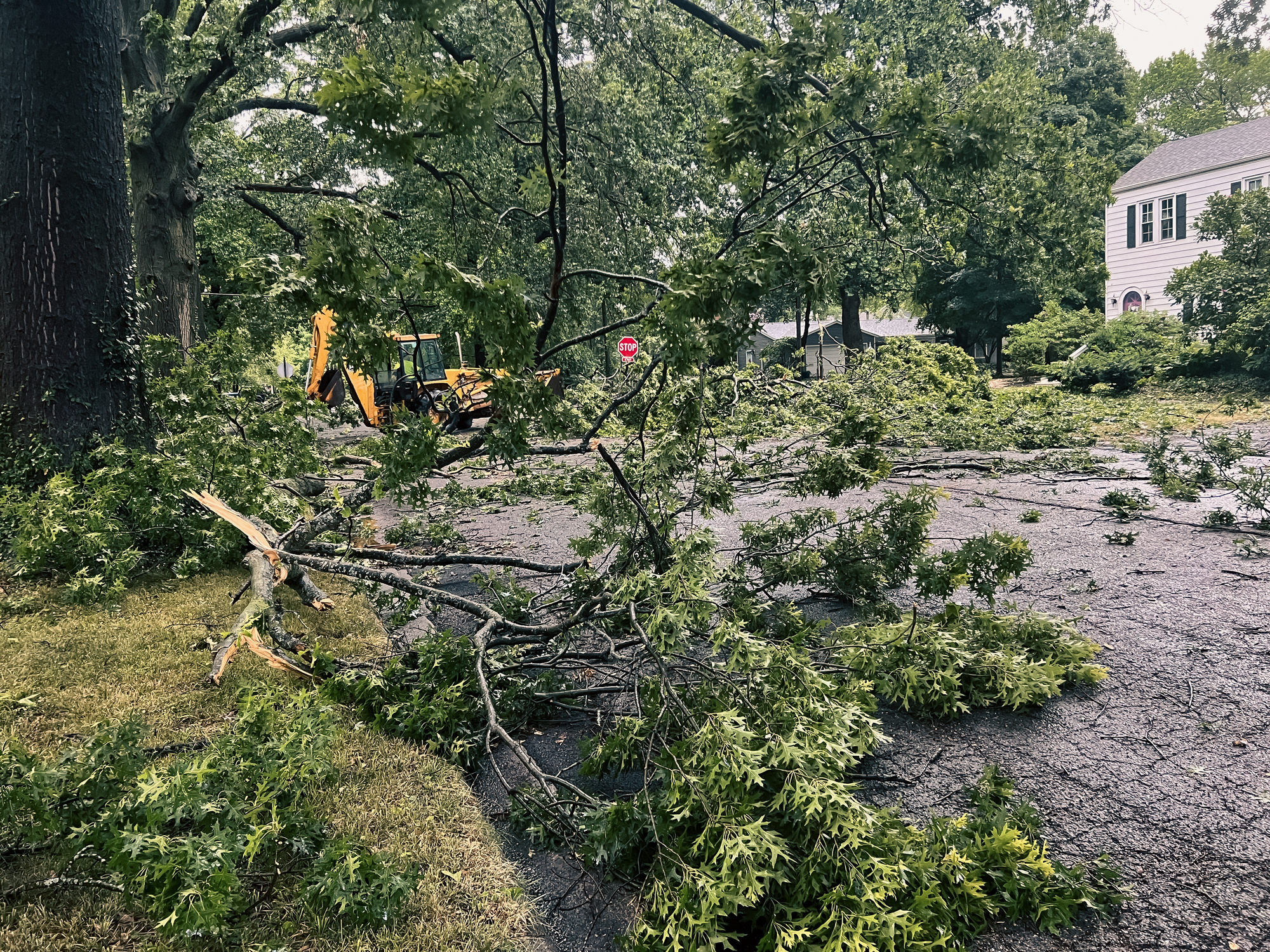
URGENT TREE HAZARDS
A tree emergency is any condition creating an immediate or developing risk to people, structures, vehicles, or access. After a Puget Sound windstorm, that can mean one damaged tree or several problems across the same property.
"The first job is making the property safer. The rest can follow."
The right response depends on what failed, what’s at risk, and whether the immediate need is access, stabilization, cleanup, or full removal.
FALLEN TREES
Removal of trees that have come down across homes, yards, driveways, roads, fences, or other parts of the property.
HANGING LIMBS
Controlled removal of damaged limbs that are suspended, partially attached, or threatening occupied areas below.
STORM DAMAGE
Removal of trees with major trunk, root, or canopy failure that can no longer be safely retained.
IMMEDIATE RISK
Urgent pruning or removal of unstable material to reduce immediate risk before permanent repairs or additional work are scheduled.
ACCESS
Clearing fallen trees and debris from driveways, walkways, gates, and other primary access points.
CLEANUP
Processing and removal of branches, logs, and other tree debris included in the agreed emergency scope.
"Storm damage changes how wood carries weight. Experience matters when the next cut changes everything."
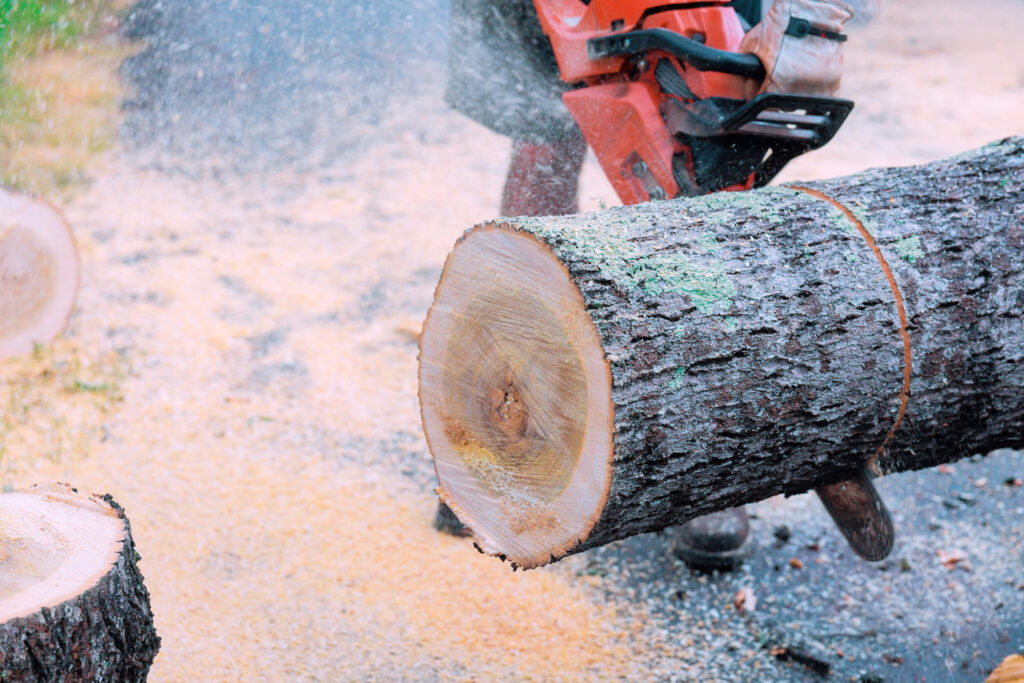
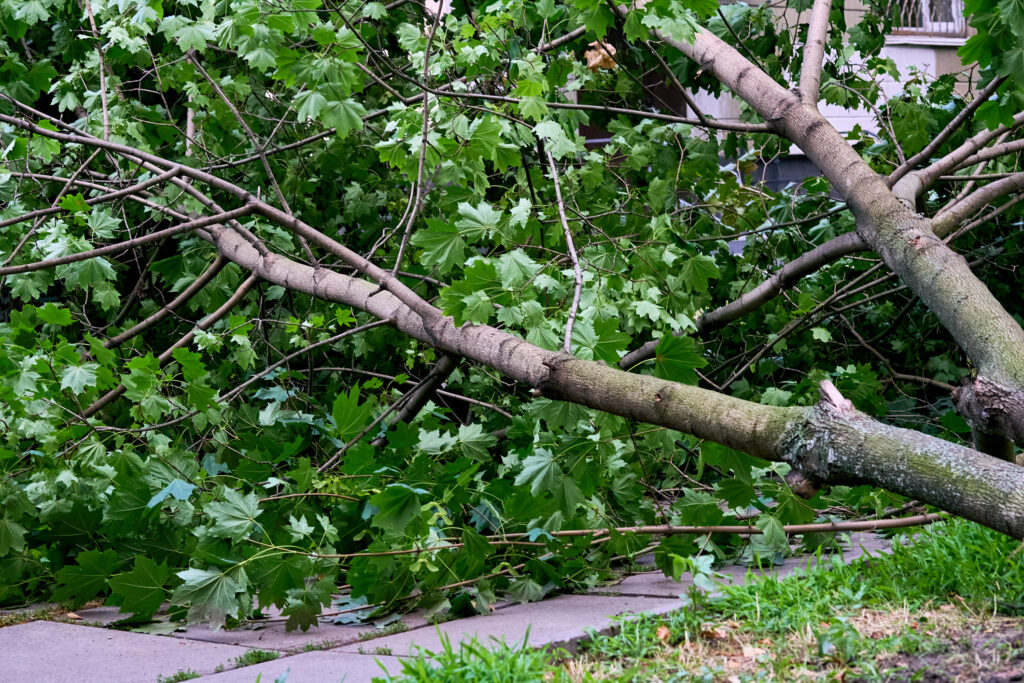
Storm-damaged trees can shift without warning. Broken branches, tensioned wood, and unstable root plates can make a site more dangerous than it looks from the porch.
Keep people and pets away from the area • Move to a safe location if the tree affects an occupied part of the house • Call 911 for an immediate threat to life • Contact the utility if power lines or electrical equipment are involved • Take photos only from a safe distance • Have the address and a brief description ready when you call
Walk beneath hanging limbs • Climb onto a damaged tree or roof • Move tensioned branches or logs • Use a chainsaw on unstable material • Touch anything near a power line • Enter a damaged structure to inspect the tree yourself
01
We gather the address, visible damage, access conditions, and whether structures or utilities are involved before the crew heads out.
02
We assess the failed material, the remaining tree, and the safest way to work the site.
03
The crew removes, lowers, stabilizes, or clears what’s needed to make the area safer.
04
We review cleanup, remaining tree work, stump grinding, inspections, or other follow-up that may still be needed.
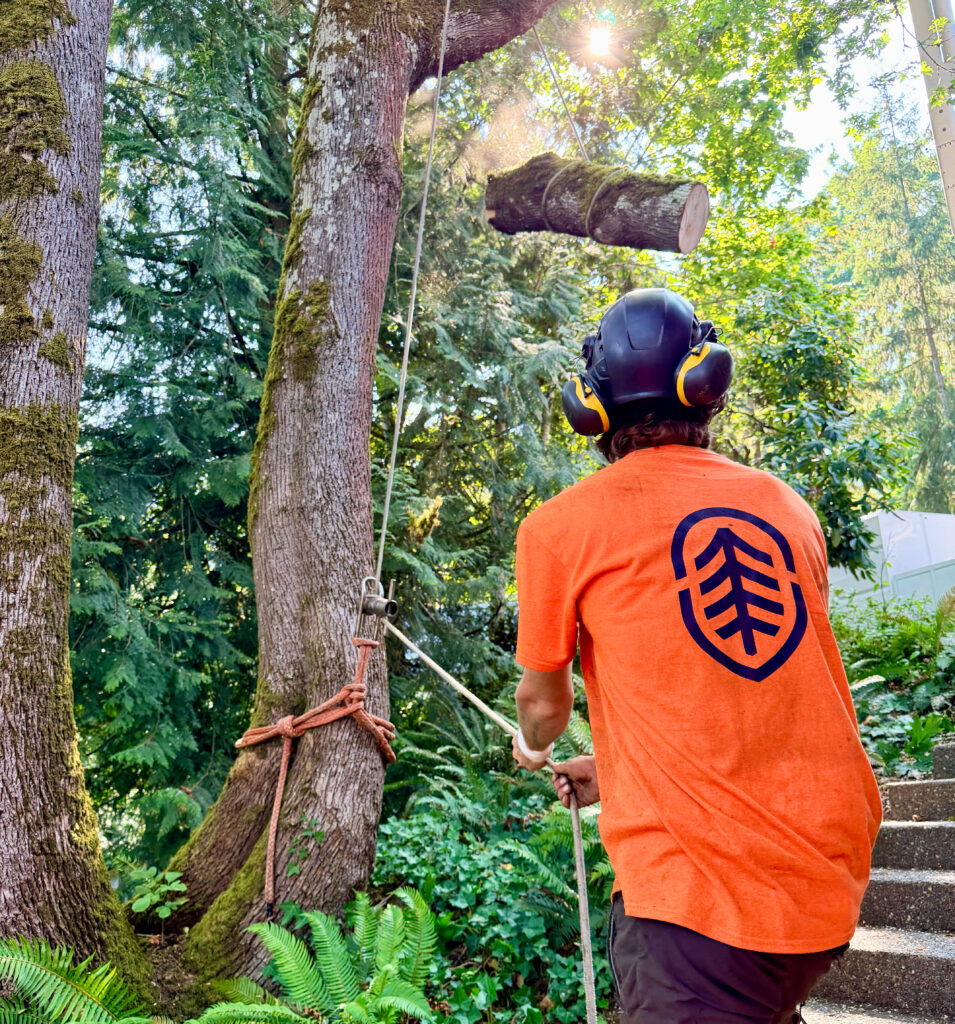
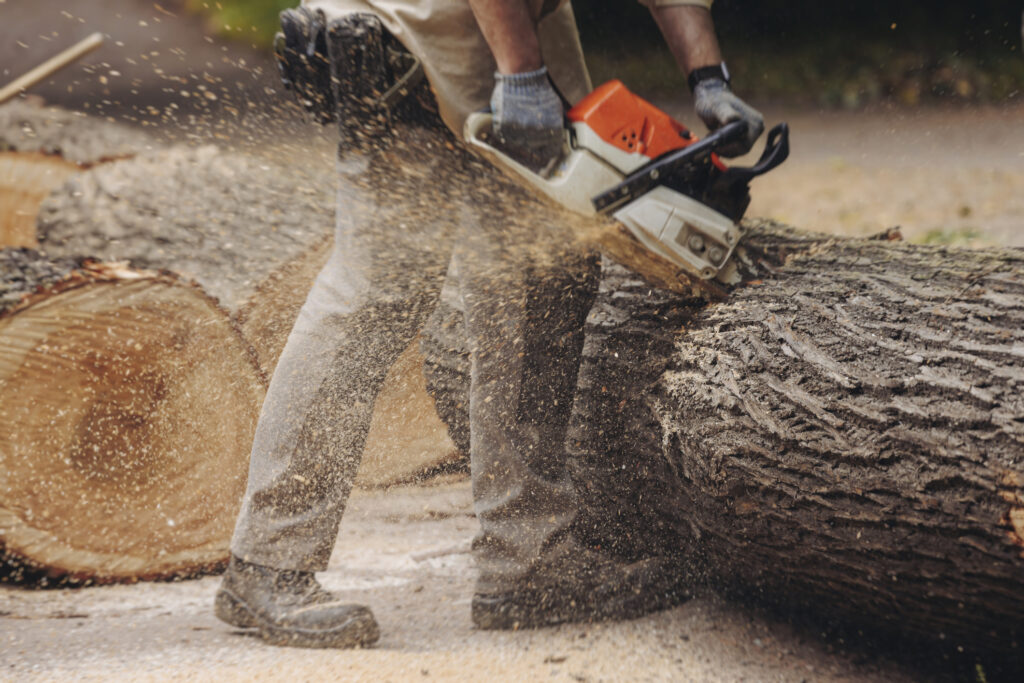
Once the immediate hazard is controlled, an arborist can evaluate what remains. A cedar that lost one major limb may recover well with corrective pruning. A tree with a lifted root plate, major trunk failure, or significant structural damage may be a better candidate for removal.
Emergency tree work takes experienced crews, careful communication, and the ability to adapt as the true condition of the tree becomes clear once we're actually up in it.
ISA Certified Arborists
Experienced Climbing & Rigging Crews
Technical Removal Capabilities
Property Protection Planning
Licensed, Bonded & Insured
Thorough Cleanup Options