Service Area · Covington, Black Diamond & Ravensdale, WA
Covington, Black Diamond, and Ravensdale sit along the wooded southeast edge of our service area, with larger lots, mature conifers, steep ground, and more rural properties than many closer-in cities. We work on Douglas fir, Western red cedar, hemlock, bigleaf maple, stump grinding, storm cleanup, and tree removal throughout the area.
Tree-removal requirements depend on the jurisdiction. Covington and Black Diamond have their own city rules, while Ravensdale falls under King County. Critical areas, steep slopes, streams, wetlands, and shoreline properties can add additional review, so we check the property and applicable requirements before work begins. Black Diamond requires permits for significant-tree removal in many cases, while King County has separate clearing and critical-area rules for unincorporated properties.
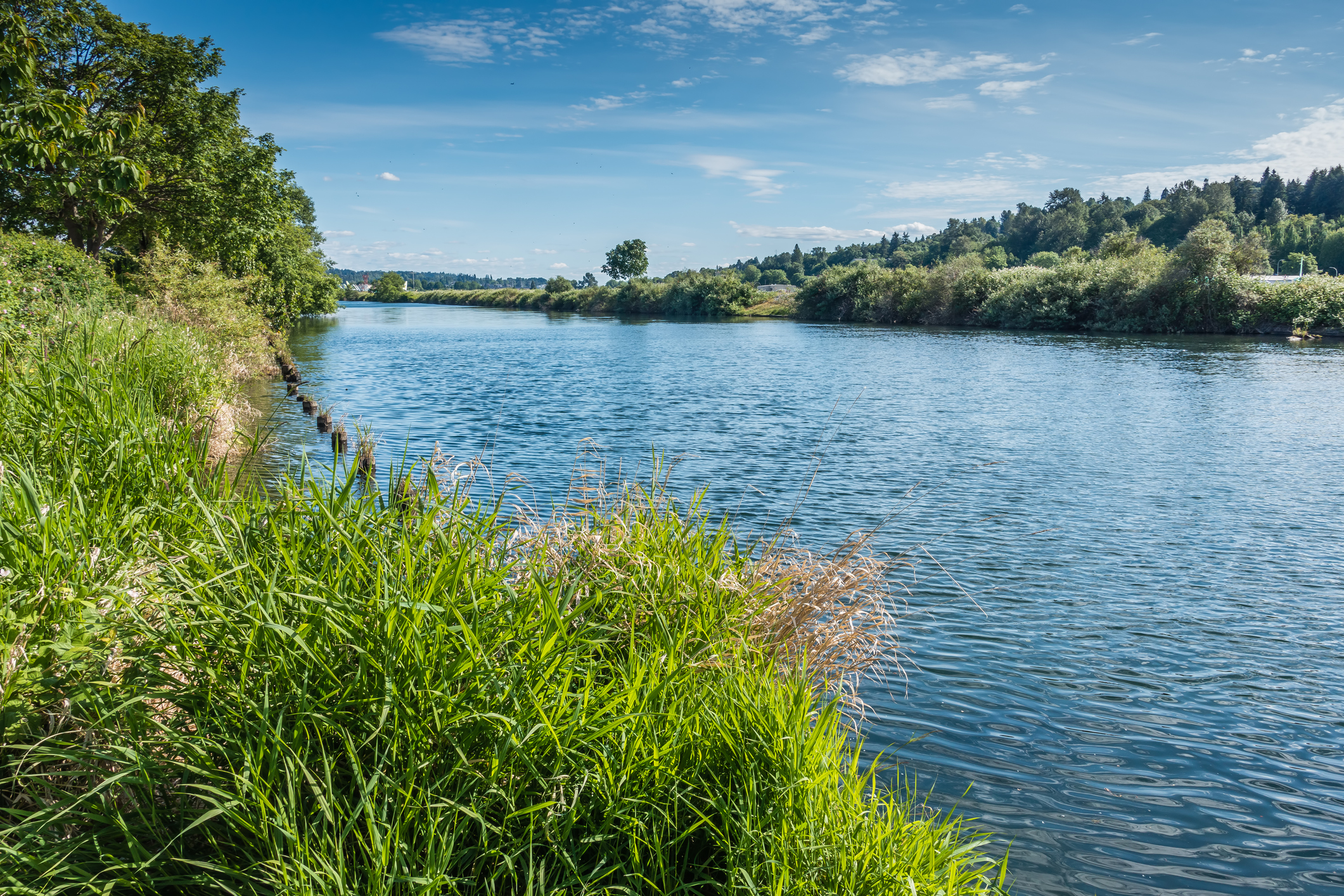

Tree care for larger wooded lots, mature conifers, steep properties, and rural residential landscapes.
01
Tree pruning and selective thinning for mature Douglas fir, Western red cedar, hemlock, and other established trees on larger properties.
02
Arborist consultations and tree risk assessments for mature conifers, steep terrain, and trees near homes or structures.
03
Emergency tree service and storm cleanup for fallen, damaged, and hazardous trees throughout the area.
04
Stump grinding for single stumps, multiple removals, and larger properties following tree removal or clearing.
05
Tree removal and permit assistance for properties near streams, wetlands, steep slopes, and other critical areas.
Covington Tree Rules
tree removal generally requires a minor or major tree-removal permit unless the work qualifies for an exemption.
Black Diamond Tree Rules
significant trees generally start at 6" DBH, and removal typically requires a permit or approved exemption.
Ravensdale / King County
unincorporated properties follow King County clearing, grading, and critical-area regulations.
Critical Areas
streams, wetlands, steep slopes, and protected buffers can trigger additional review before tree or vegetation removal.
THE CODE
Tree-removal rules vary by jurisdiction. Covington and Black Diamond have their own city permit systems, while Ravensdale falls under King County, with additional restrictions in critical areas, wetlands, streams, and steep-slope areas.
ON THE GROUND
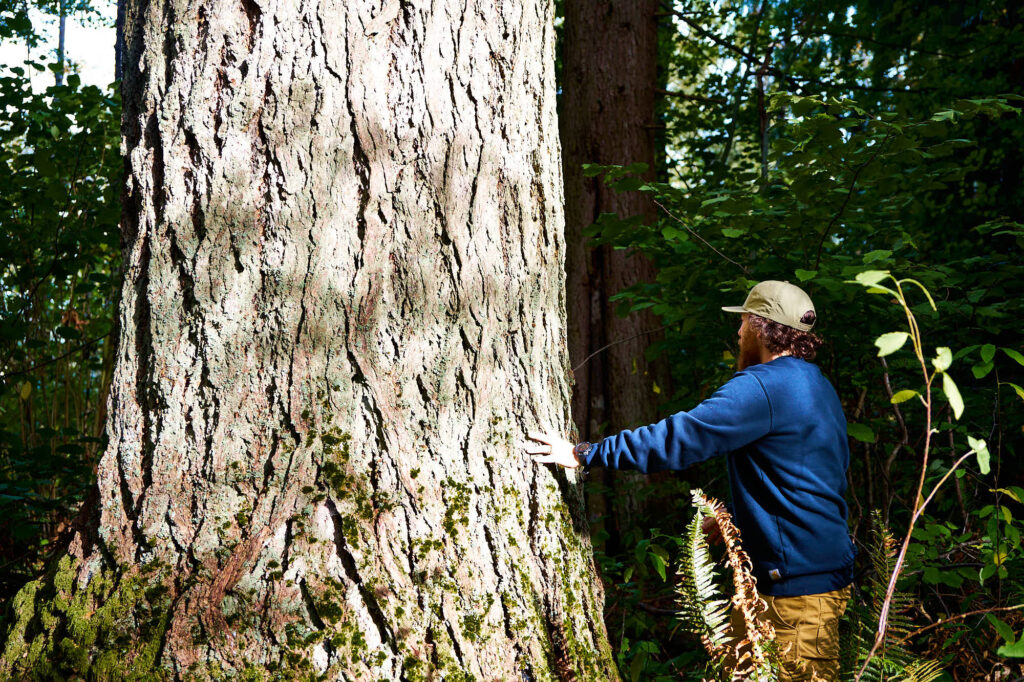
From Covington neighborhoods to the wooded lots around Black Diamond and Ravensdale, this area combines mature conifers, native hardwoods, creek corridors, and larger rural properties.

Covington
Mature Douglas fir, Western red cedar, bigleaf maple, and established residential landscapes.
Black Diamond
Larger wooded properties with mature conifers, alder, maple, and more rural residential lots.
Ravensdale
Second-growth Douglas fir, hemlock, cedar, and native understory on larger unincorporated properties.
Lake Sawyer area
Mature conifers, shoreline trees, ornamentals, and established residential landscapes.
Rock Creek / Cedar River tributaries
Red alder, black cottonwood, cedar, and other moisture-tolerant trees along creek and lowland properties.
Our East Renton shop gives Blue Ribbon Tree straightforward access to Covington, Black Diamond, Ravensdale, and the surrounding foothill communities.