Service Area · Seattle, WA
Seattle’s older neighborhoods combine mature Douglas fir, bigleaf maple, ornamentals, and large trees growing in tight residential spaces. We handle pruning, technical removals, stump grinding, hedge work, and arborist services throughout the city.
Seattle’s tree rules are more detailed than most nearby cities. Removal requirements depend on the tree’s tier, species, lot conditions, and whether development is proposed, and many removals also require SDCI review, replacement, and public notice. Street trees are regulated separately by SDOT.
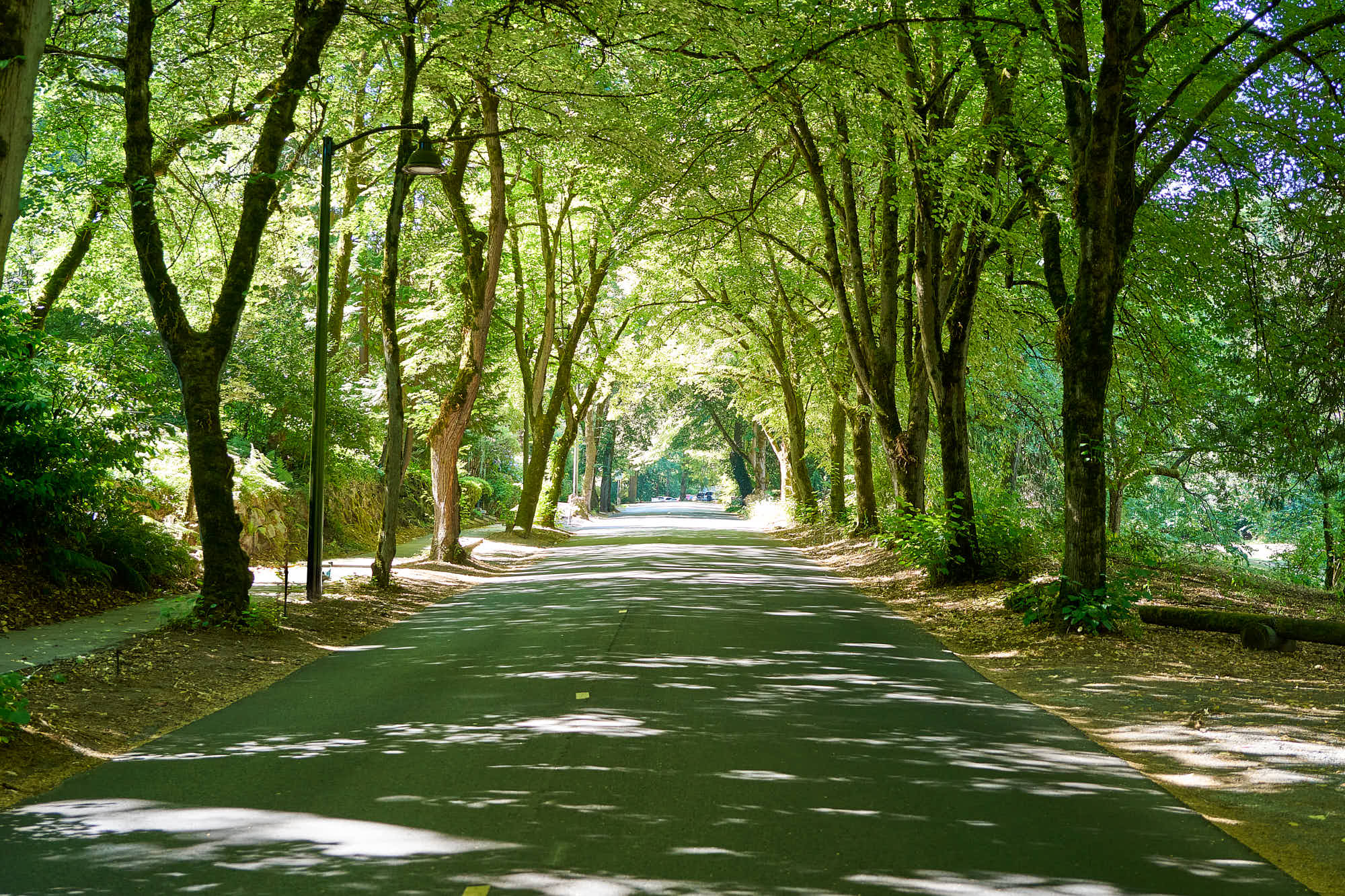

Tree care for dense urban lots, mature neighborhoods, regulated trees, and tight access.
01
Arborist consultations and permit assistance for regulated trees, tree-removal applications, and Seattle SDCI requirements.
02
Technical tree removal for tight side yards, utility corridors, confined access, and trees near homes or structures.
03
View pruning and selective thinning for hillside and ridgeline neighborhoods where views and canopy both matter.
04
Tree pruning and deadwood removal for mature ornamentals, bigleaf maple, conifers, and established residential trees.
05
Emergency tree service and storm cleanup for fallen trees, hanging limbs, and storm-damaged trees throughout Seattle.
6" DSH
the point where a tree enters Seattle’s regulated tier system. Tier 4 trees are generally 6" to under 12" DSH.
24"+ DSH
generally Tier 2, with stronger protections; certain species and tree groves can also qualify below 24".
Public notice required
commercial tree removal requires online and on-site notice at least six full business days before the work.
SDCI review
required for certain regulated removals, hazard trees, environmentally critical areas, and other protected situations.
THE CODE
Seattle uses a tiered tree-protection system based on size, species, location, and whether development is proposed. Removal, replacement, public notice, and arborist documentation requirements vary by tree and property.
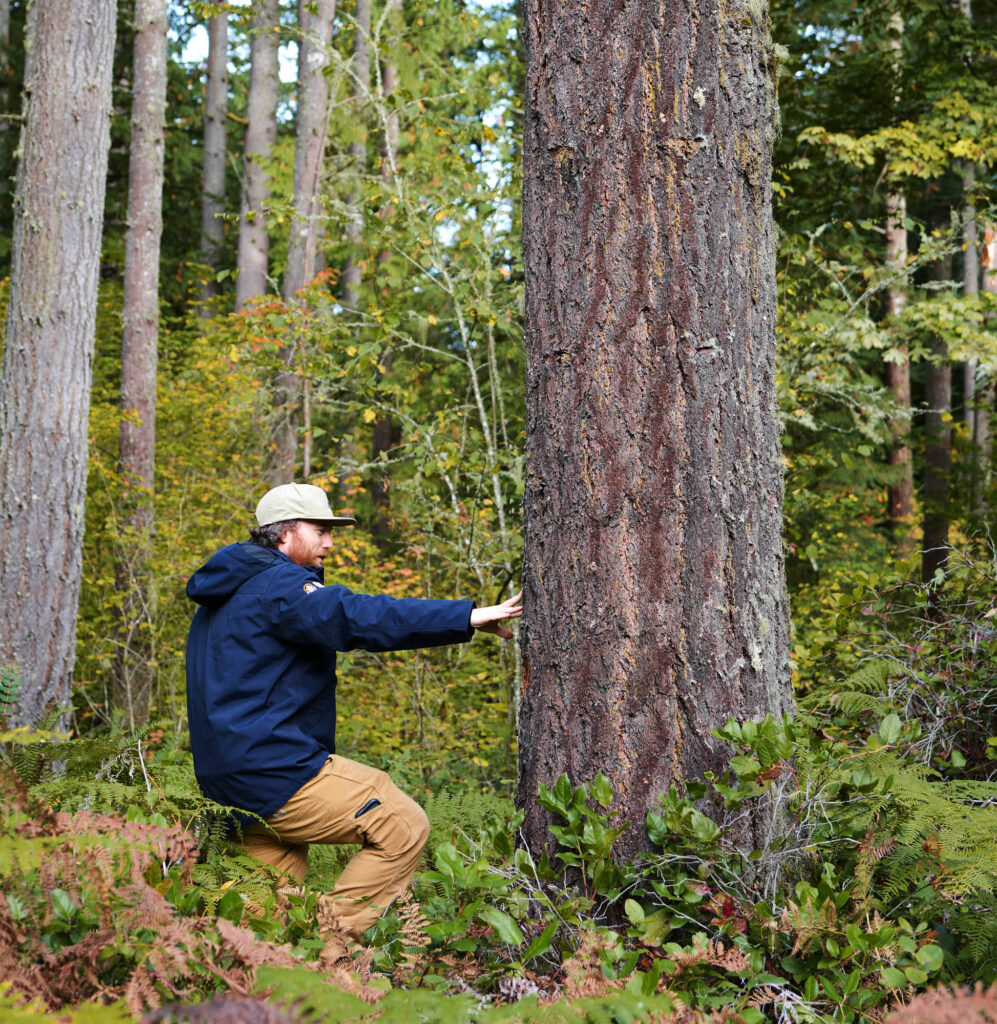
ON THE GROUND
From Queen Anne and Capitol Hill to Madrona, Wallingford, and the lake-facing neighborhoods, Seattle mixes mature conifers, bigleaf maple, ornamentals, and tight urban landscapes.

Queen Anne / Magnolia
Mature Douglas fir, Western red cedar, bigleaf maple, ornamentals, and view-sensitive properties.
Capitol Hill / Madison Park
Established canopy with bigleaf maple, ornamentals, conifers, hedges, and mature trees close to homes and sidewalks.
Wallingford / Green Lake
Dense residential lots with mature shade trees, conifers, ornamentals, and older landscape plantings.
Madrona / Leschi
Lake-facing slopes with Pacific madrone, Douglas fir, bigleaf maple, and view-sensitive pruning needs.
West Seattle / Beacon Hill
Mature conifers, maple, alder, and mixed residential canopy on sloped and exposed properties.
Our East Renton shop gives Blue Ribbon Tree straightforward access to neighborhoods throughout Seattle, from First Hill and Capitol Hill to Queen Anne, Wallingford, Madrona, and Madison Park.