


STATIC SUPPORT
Static Cabling
High-strength steel support used to limit movement between major limbs or stems where more substantial restriction is appropriate.
A co-dominant maple starting to split. A mature cedar with a heavy limb over the patio. Cabling and bracing can add support where a tree needs it most, helping reduce stress on weak unions and making preservation a more practical option.
Request a Free Estimate
PRESERVATION OPTIONS
A tree with a weak union, a heavy lateral limb, or multiple spreading stems may be a reasonable candidate for supplemental support. Whether it's worth doing depends on the tree's condition, structure, location, and what's underneath it if that limb did come down.
"Sometimes a tree doesn’t need to come down. It just needs a little help staying up."
The right system depends on the tree’s species, structure, movement, and the specific weakness being addressed. Static cables, dynamic cables, and bracing all solve different problems.
STATIC SUPPORT
High-strength steel support used to limit movement between major limbs or stems where more substantial restriction is appropriate.
FLEXIBLE SUPPORT
Flexible synthetic support that reduces excessive movement while allowing the tree to move naturally in the wind.
RIGID SUPPORT
Threaded rods installed through a weak or split union to add internal support where cabling alone may not be enough.
COMBINED SUPPORT
Cabling and bracing used together when a structural concern needs more than one form of reinforcement.
INSPECTION
Evaluation of existing cables, braces, and hardware to see how they’re performing and whether the tree has changed around them.
REPLACEMENT
Replacement of aging, damaged, or poorly positioned hardware that is no longer providing the support it should.
"The right support system starts with the right evaluation."
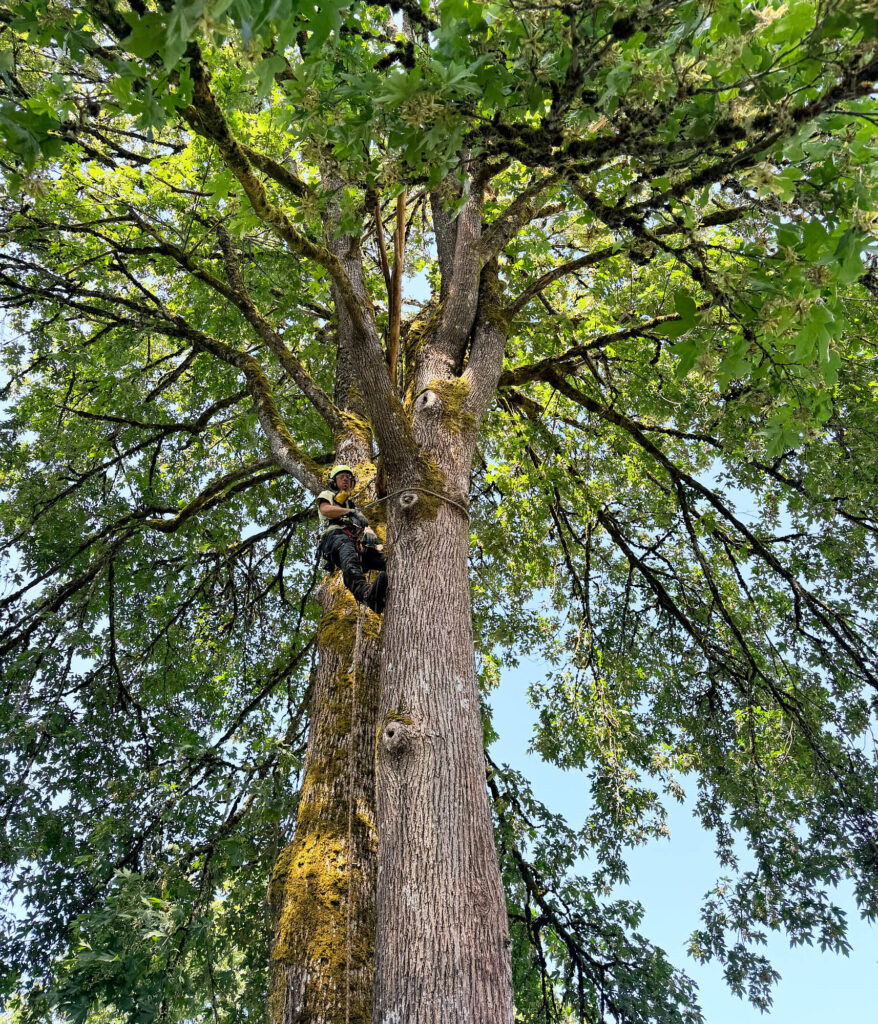
Cabling and bracing can reduce strain, improve stability, and help manage structural concerns without immediately giving up on the tree. When paired with thoughtful pruning and periodic inspection, they can be an important part of a long-term preservation plan.
Reduce strain on weak unions • Support heavy or overextended limbs • Limit excessive movement • Improve stability • Extend the useful life of mature trees
Thoughtful pruning • Periodic inspection • Monitoring structural changes • Adjusting support as the tree grows • Ongoing care based on the tree’s condition
01
We review the tree’s structure, condition, surroundings, and the specific concern that needs support.
02
We explain whether pruning, cabling, bracing, monitoring, or a combination makes the most sense and why.
03
The crew installs the agreed support system based on the tree’s structure and the goals of the plan.
04
We confirm the system was installed as planned and explain any care or inspection recommendations going forward.
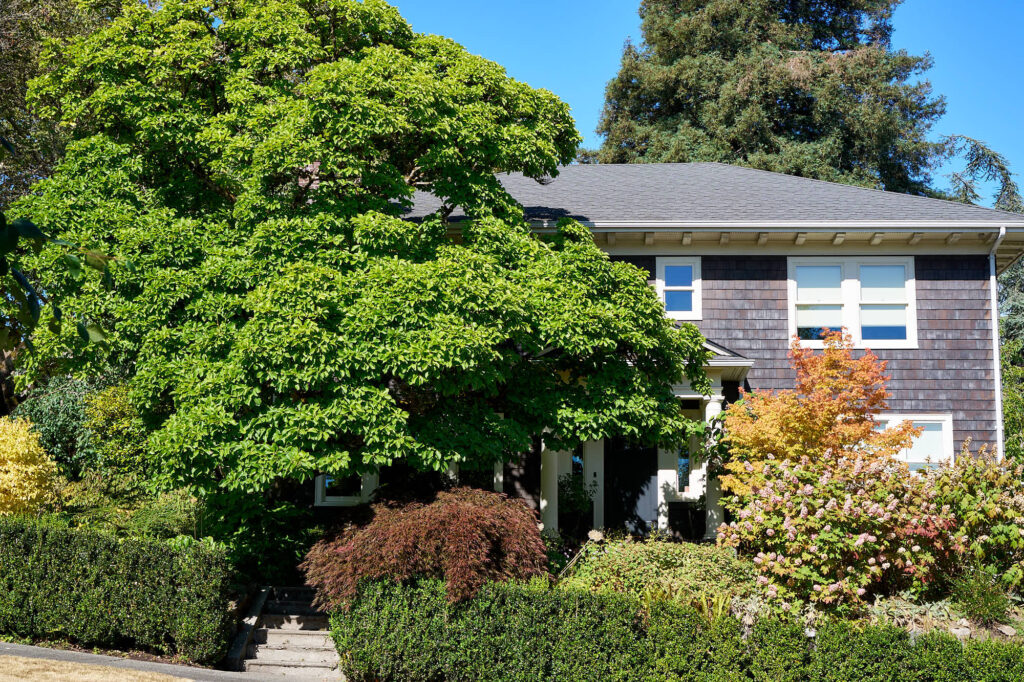
A cracked union doesn’t automatically mean cabling, just as a lean doesn’t automatically mean removal. Some trees benefit from pruning alone. Others need pruning and support together. The right recommendation depends on the tree’s structure, condition, location, and the specific concern we’re trying to address.
A cable or brace is only as good as the thinking behind it. We look at the whole tree, the site, and what ongoing maintenance actually looks like before recommending installation — not just the defect in front of us.
ISA Certified Arborists
TRAQ-Qualified Arborists
ANSI A300-Aligned Practices
Pruning & Removal Capabilities
Ongoing Inspection Guidance
Licensed, Bonded & Insured