TREE TRIMMING & PRUNING

Thoughtful care for trees, shrubs & formal hedges.

Whether it's a storm-stressed Douglas fir over the driveway, a laurel hedge that's outgrown the fence line, or a Japanese maple that hasn't been touched since it was planted, our ISA-Certified Arborists provide preservation-first pruning and trimming designed around the health, structure, and natural character of your landscape.

Request a Free Estimate

AN INTERESTING DISTINCTION

Trimming and pruning are not the same thing.

Both can improve the appearance of your landscape, but they serve different purposes. Trimming creates clean, formal shapes. Pruning selectively supports healthier growth, stronger structure, and long-term stability. Knowing which one your yard actually needs is the first decision an arborist makes - but not the last.

Formal Trimming

Geometric & Formal

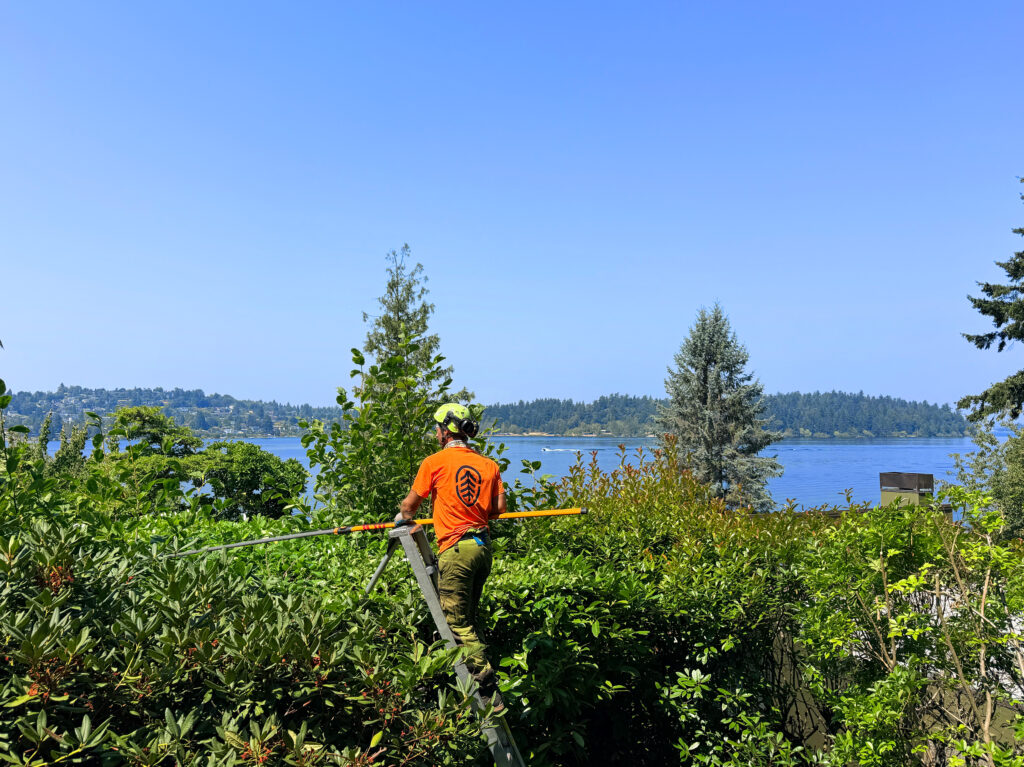
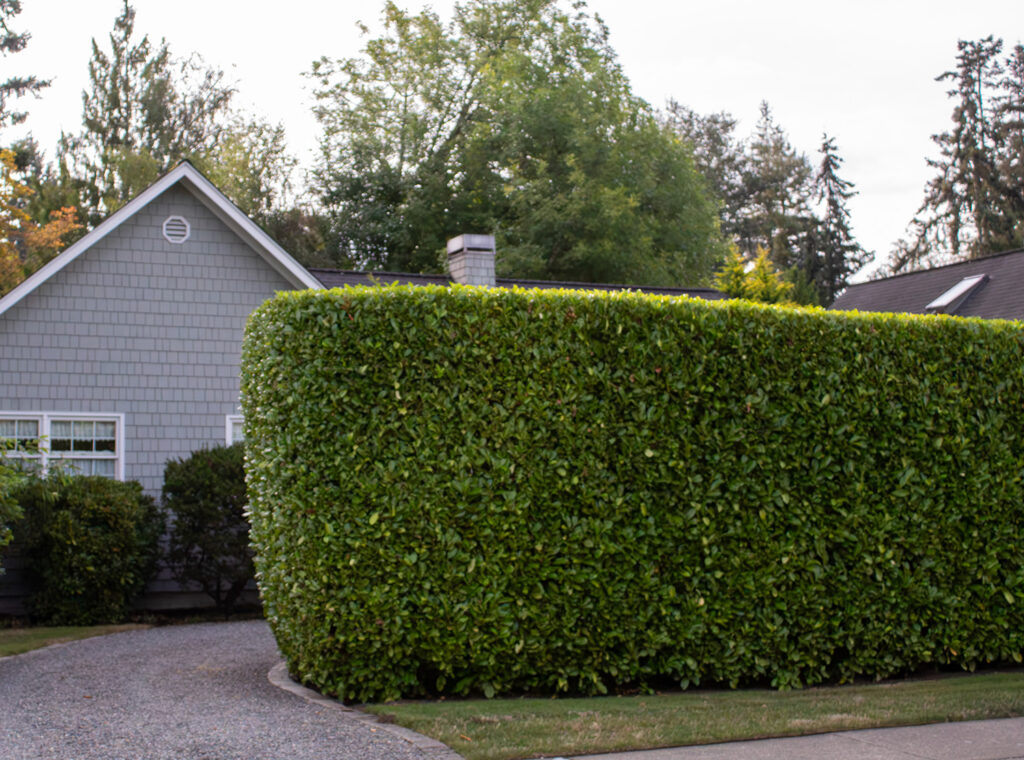
Formal trimming keeps hedges, screens, and ornamental plants looking clean, intentional, and well maintained. It’s best suited for plants that are meant to be sheared or kept within a defined shape, including boxwood, arborvitae, laurel, and topiary. For most trees and naturally shaped shrubs, selective pruning is the better approach.

  • Formal hedges
  • Boxwood shaping
  • Privacy screens
  • Topiary maintenance

Fine Pruning

Selective & Scientific

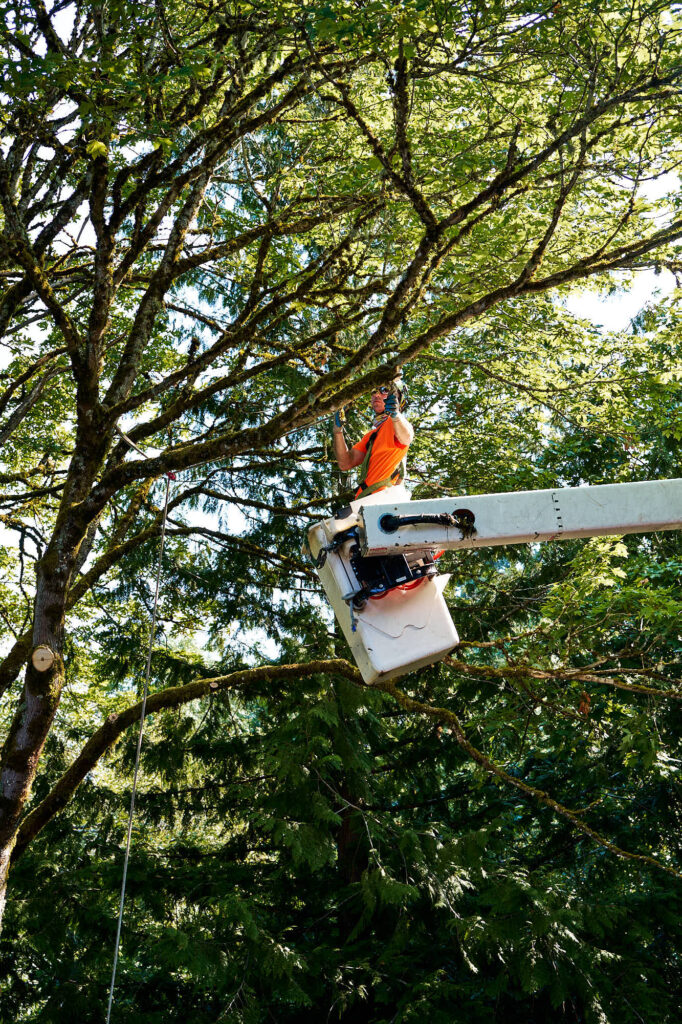
Fine pruning is the selective removal of specific branches to improve a tree or shrub’s health, structure, appearance, and long-term growth. Every cut is made with purpose, preserving the plant’s natural form while addressing weak, crowded, damaged, or poorly placed growth. It’s a more thoughtful approach than simply cutting a tree back, and it helps keep trees healthier, safer, and better looking over time.

  • Health and structure
  • Clearance and risk reduction
  • Natural form and longevity
  • Selective thinning and canopy balance
"Trimming shapes a plant. Pruning guides how it grows."
HOW WE PRUNE

Tree Pruning Services

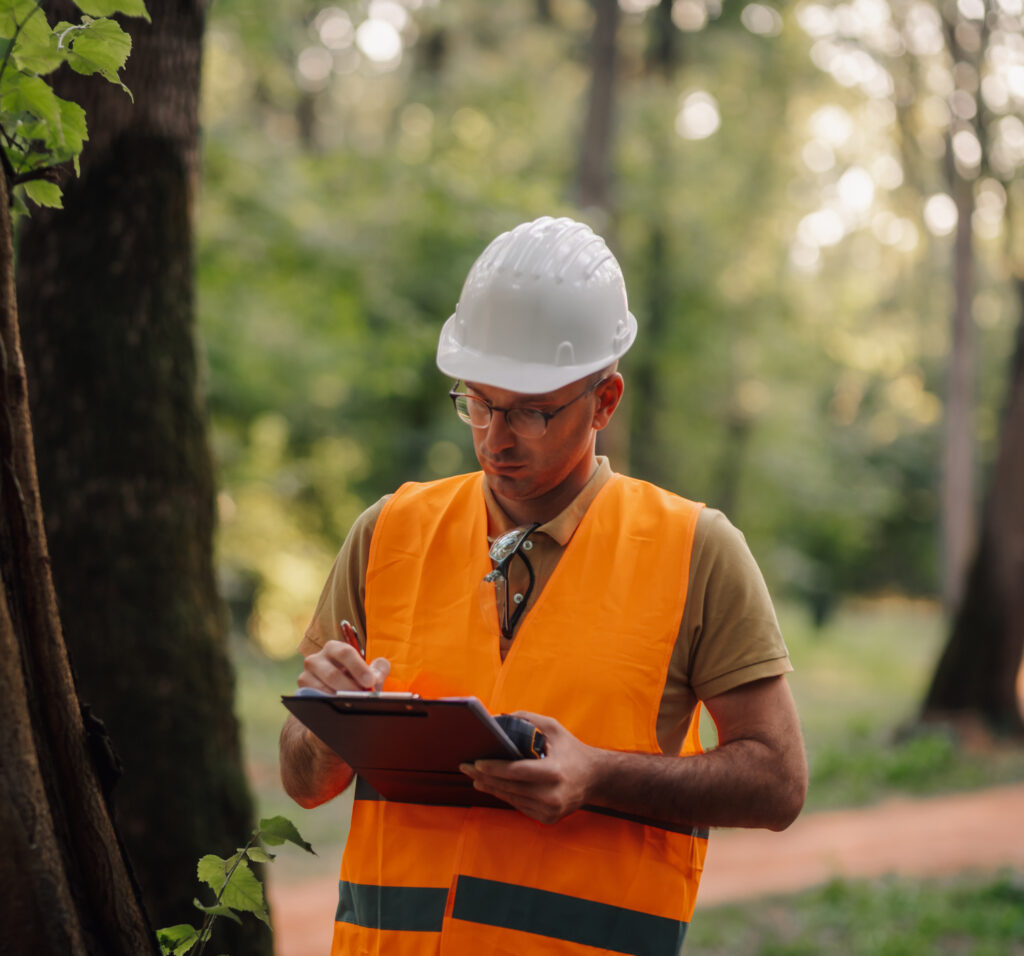
Every project begins with an arborist evaluating the tree, the property, and the purpose of the work before a single cut is made.

Ornamental

Fine Pruning

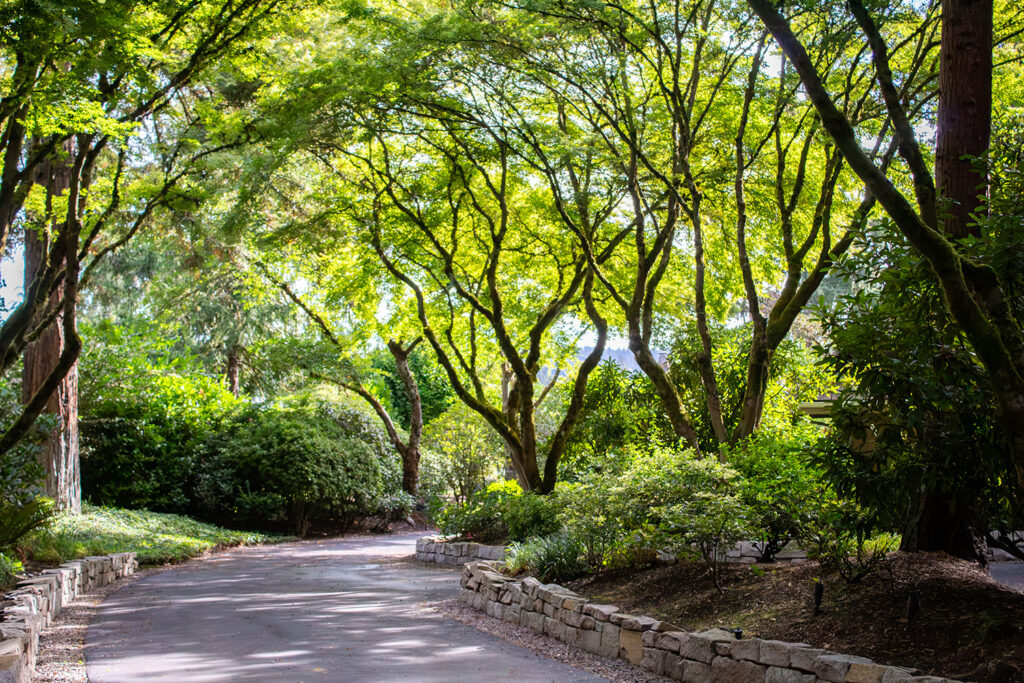
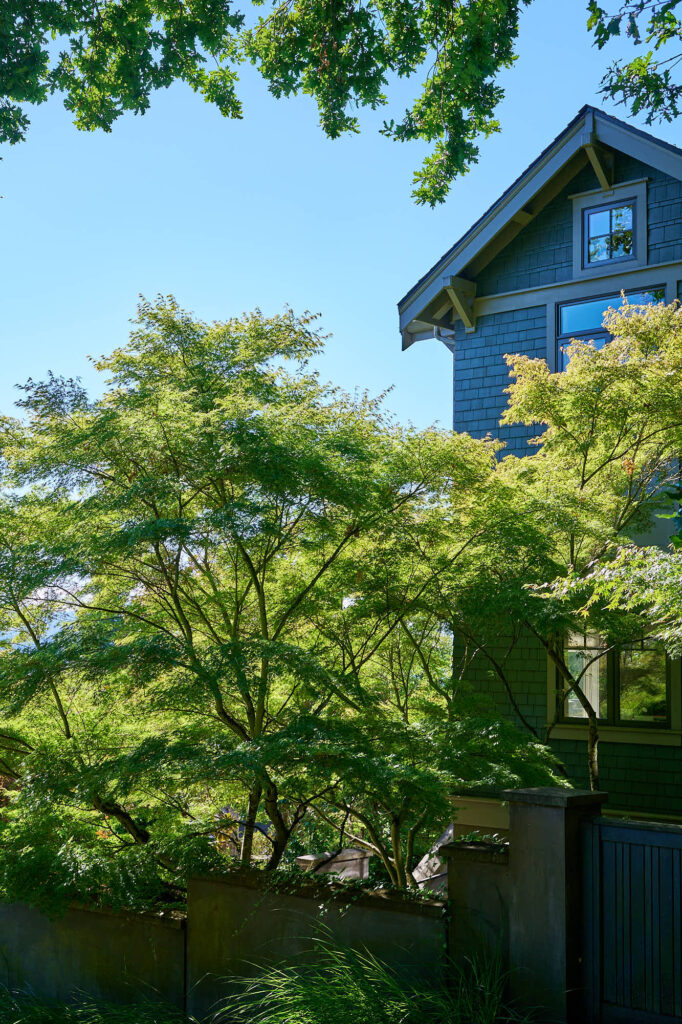
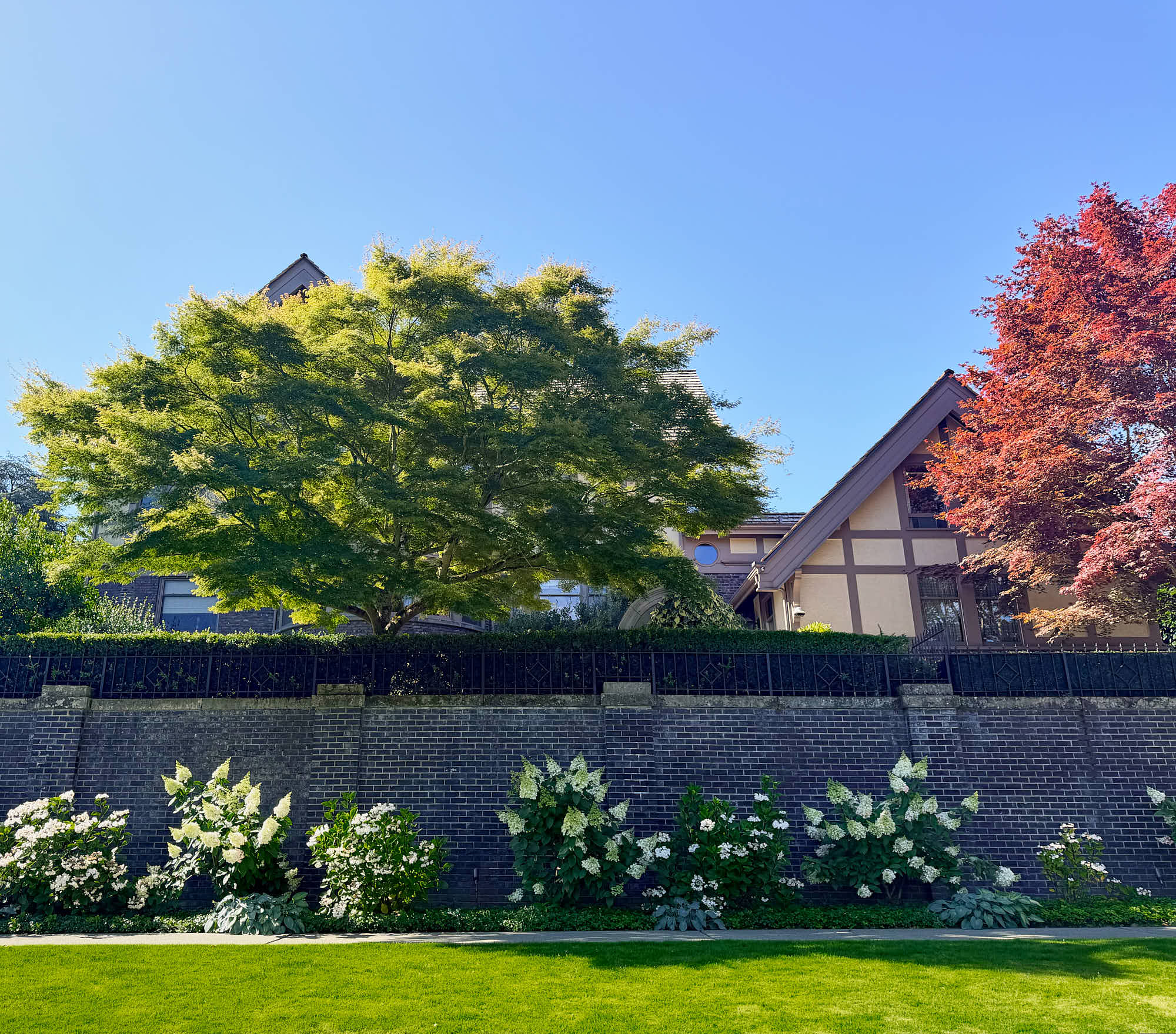
Detailed, selective pruning that preserves the natural form of ornamental trees and shrubs, including Japanese maples, dogwoods, and other specimen plantings that don’t forgive a heavy hand.

Views

View Pruning

Open up views of Puget Sound, Lake Washington, or the Cascades with thoughtful pruning that balances the view with the long-term health and structure of the tree.

Size & Scale

Crown Reduction

Carefully reduce a tree’s height or spread while maintaining its natural structure, especially when it has outgrown the space around a roofline, property line, or other structure.

Health & Safety

Crown Cleaning

Remove dead, damaged, diseased, crossing, or poorly attached branches to improve canopy health and reduce the risk of falling limbs.

Hazard Removal

Deadwood Removal

Selectively remove dead limbs that create hazards, affect appearance, or need to be addressed ahead of an inspection or property sale.

Canopy Balance

Selective Crown Thinning

Reduce canopy density where appropriate without stripping interior growth, helping improve airflow and allowing mature trees to move more naturally in the wind.

Structure

Structural Pruning

Guide young and developing trees toward stronger, more durable branch structure. Starting early can prevent much larger corrective work later.

Restoration

Restorative Pruning

Restore trees and shrubs affected by storm damage, neglect, or previous pruning, improving structure, balance, and appearance over time.

"Good trimming keeps plants in shape. Great trimming keeps them looking intentional."
FORMAL & ORNAMENTAL CARE

The right technique for every plant.

Not every plant should be trimmed the same way. We consider species, growth habit, density, and intended form before deciding how aggressively to shape or reduce it. A laurel hedge, arborvitae screen, and boxwood all need a different approach.

Formal Hedge Shaping

Maintain crisp, intentional lines for laurel, boxwood, arborvitae, and other hedges meant to hold a defined shape.

Hedge Restoration

Improve overgrown, uneven, or thinning hedges where recovery is possible, restoring better shape, density, and proportion over time.

Ornamental Shrub Trimming

Shape and maintain ornamental shrubs while respecting their natural growth habit, flowering cycle, and overall form.

Privacy Screen Maintenance

Manage height, density, and shape while maintaining the coverage that makes arborvitae, laurel, and other screening plants useful.

OUR PROCESS

You'll never know we were there, except for the trees.

01

Protect the Property

We prepare the work area and protect lawns, planting beds, structures, and surrounding surfaces before the work begins.

02

Prune with Purpose

Our crews follow the arborist’s recommendations and use the right technique for the plant, the property, and the goal of the work.

03

Clean the Site

We chip debris, rake lawns, sweep hardscapes, and leave the property looking cared for.

04

Review the Work

We confirm the agreed scope has been completed and address any final questions.

TREE CODES & PERMITS

Some trimming work may require city review or a permit.

Requirements vary by city, property, tree location, branch size, and how much of the canopy is being removed. In places like Seattle, Bellevue, and Mercer Island, more substantial pruning can sometimes trigger additional review. We can help identify what may apply to your property before the work is scheduled.

WHY HOMEOWNERS CHOOSE US

Craftsmanship the neighborhood notices.

Mature trees and established landscapes deserve careful work. We hire thoughtfully, train continuously, and give our crews the time, equipment, and support to do the job right.

ISA Certified Arborists

ANSI A300 Pruning Standards

Licensed, Bonded & Insured

Tree & Plant Health in Mind

Thorough Site Cleanup

Locally Owned Since 2001